

 英语
 中文简体
 阿拉伯语
This equipment is a common sight on factory floors, seamlessly encasing everything from toy boxes and software to gourmet food baskets and multi-packs of bottles in a tight, clear layer of film.
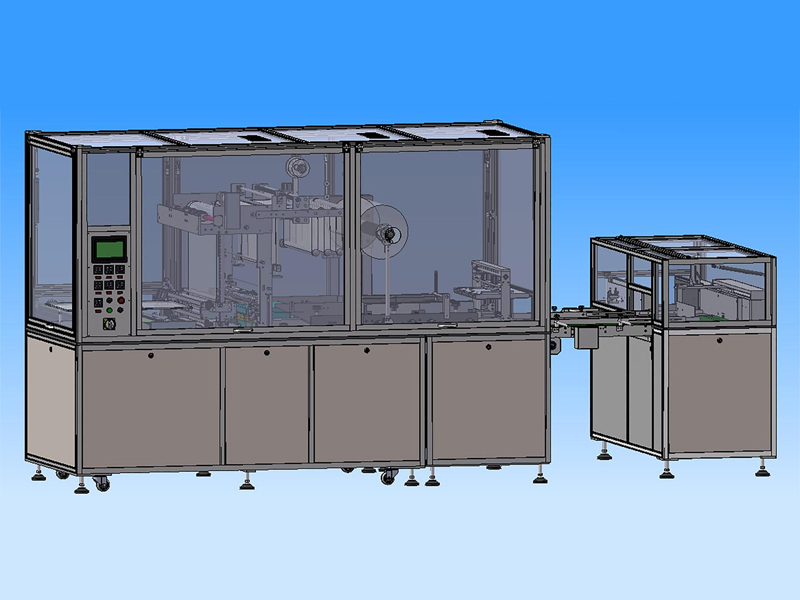
But is it the right solution for every business? Like any significant capital investment, it comes with its own set of advantages and limitations. A thorough understanding of both sides is essential for making an informed decision. Let's break down the key pros and cons of investing in a fully automatic transparent film wrapping system.
The Advantages: Power, Performance, and Presentation
1. Unmatched Efficiency and High-Speed Output
The compelling advantage is sheer productivity. Once configured and fed with a continuous roll of film, these machines operate at remarkably high speeds, wrapping hundreds or even thousands of units per hour. This automation eliminates the bottlenecks and inconsistencies of manual labor, ensuring a continuous flow of packaged goods down the line. This allows businesses to meet large order volumes, scale production effortlessly, and reduce times significantly.
2. Significant Labor Savings and Reduced Overhead
By automating the wrapping process, companies can drastically reduce their reliance on manual labor. A single operator can often manage the entire process—loading the film roll, monitoring the machine, and removing the finished pallets. This translates into direct savings on wage costs and minimizes the risks associated with repetitive strain injuries. It also frees up valuable human resources for more skilled tasks like quality control and machine management.
3. Superior Product Protection and Stability
Transparent film wrapping does more than just look good; it creates a incredibly secure package. The process of tightly winding the film around a product (or group of products) unitizes them into a single, solid entity. This prevents individual items from shifting, scuffing, or damaging each other during transit. The film acts as a barrier against dust, moisture, and minor spills, ensuring products arrive in pristine condition. For multi-packs, it eliminates the need for additional cardboard or plastic that might obscure the products inside.
4. Enhanced Visual Appeal and "Try-Me" Packaging
In retail, visibility sells. A transparent film wrap puts the product on full display, allowing customers to see exactly what they are purchasing without any obstruction. This is invaluable for products where the appearance, color, or specific components are a key selling point. It creates a clean, professional, and high-quality presentation that can enhance brand perception. Furthermore, it allows for the creation of secure "try-me" packages where batteries can be included but remain inaccessible until purchase.
5. Material Efficiency and Sustainability Considerations
Compared to rigid clamshells or oversized boxes, film wrapping uses a minimal amount of material relative to the size of the product it protects. This can reductions in packaging material costs and storage space for those materials. Additionally, the lightweight nature of film reduces shipping weights, lower freight costs and a smaller carbon footprint per unit. Many films are also recyclable (where facilities exist) or can be made from recycled materials.
The Disadvantages: Cost, Complexity, and Constraints
1. High Initial Capital Investment
The primary barrier to adoption is cost. A fully automatic wrapping machine represents a significant upfront capital expenditure. This includes not only the price of the machine itself but also potential costs for installation, integration into existing production lines, and operator training. For small to medium-sized enterprises (SMEs) or businesses with low production volumes, this investment can be difficult to justify.
2. Limited Structural Support and Product Compatibility
Film wrapping provides stability, but it does not offer the rigid structural support of a cardboard carton. Products that are exceptionally heavy, sharp, or fragile may still require a rigid box for primary protection, with film wrapping serving only as a secondary bundling method. The machine may also not be suitable for products with highly irregular shapes that could cause the film to tear or apply uneven pressure.
3. Ongoing Material Costs and Film Selection
While efficient, the machine requires a constant supply of proprietary film rolls. This creates a recurring operational expense. The choice of film type—such as polypropylene, polyethylene, or PVC—must be carefully considered based on the product's needs for clarity, strength, stretch, and anti-fog properties. Navigating these options and managing supply chain logistics for the film adds a layer of complexity.
4. Maintenance and Technical Expertise
Like any complex piece of industrial machinery, automatic wrappers require regular maintenance to perform optimally. This includes cleaning, lubrication, and occasional replacement of parts like stretch rollers, seals, and cutting blades. Downtime for repairs can be costly, and access to specialized technicians may be necessary, which could be a challenge in certain locations.
5. Potential for Film Waste and Environmental Concerns
Although material usage is efficient during operation, there can be waste during the initial machine setup or changeovers between different product lines. Furthermore, despite advances in recyclable films, the reality is that much of this plastic film ends up in landfills if consumers do not have access to or use proper recycling channels. This is a growing concern for environmentally conscious brands and consumers.
Making the Decision
The choice to invest in a fully automatic transparent film wrapping machine is not a simple one. It hinges on a careful analysis of your business needs.
For a large-scale operation with high-volume, uniform products where visual appeal and efficiency are critical, the advantages will overwhelmingly outweigh the disadvantages. The labor savings, increased output, and enhanced presentation will quickly provide a return on investment.
However, for a smaller business with diverse, low-volume, or irregularly shaped products, the high initial cost and compatibility issues may make semi-automatic equipment or alternative packaging solutions a more prudent and flexible choice.
Ultimately, by honestly assessing your product portfolio, production volume, budget, and long-term goals, you can determine if this powerful packaging technology is the clear choice for you.


